Case Study: Transforming Corona Offices with Commercial Window Tinting


Introduction to Commercial Window Tinting
In today's business environment, creating a comfortable and energy-efficient workspace is crucial. One effective solution that has gained popularity is commercial window tinting. This case study explores how transforming Corona offices with window tinting improved both aesthetics and functionality.

Understanding the Needs
Corona's office spaces faced several challenges: excessive glare, heat buildup, and rising energy costs. The management sought a solution that would address these issues while enhancing the overall appearance of the building.
After thorough research, commercial window tinting emerged as the ideal option. It offered a way to reduce glare and heat without compromising natural light, ensuring a pleasant work environment.
The Installation Process
The installation began with a detailed assessment of the office windows. Professionals selected a high-quality, solar-control window film that promised maximum efficiency. The application process was quick and non-disruptive, allowing business operations to continue without interruption.
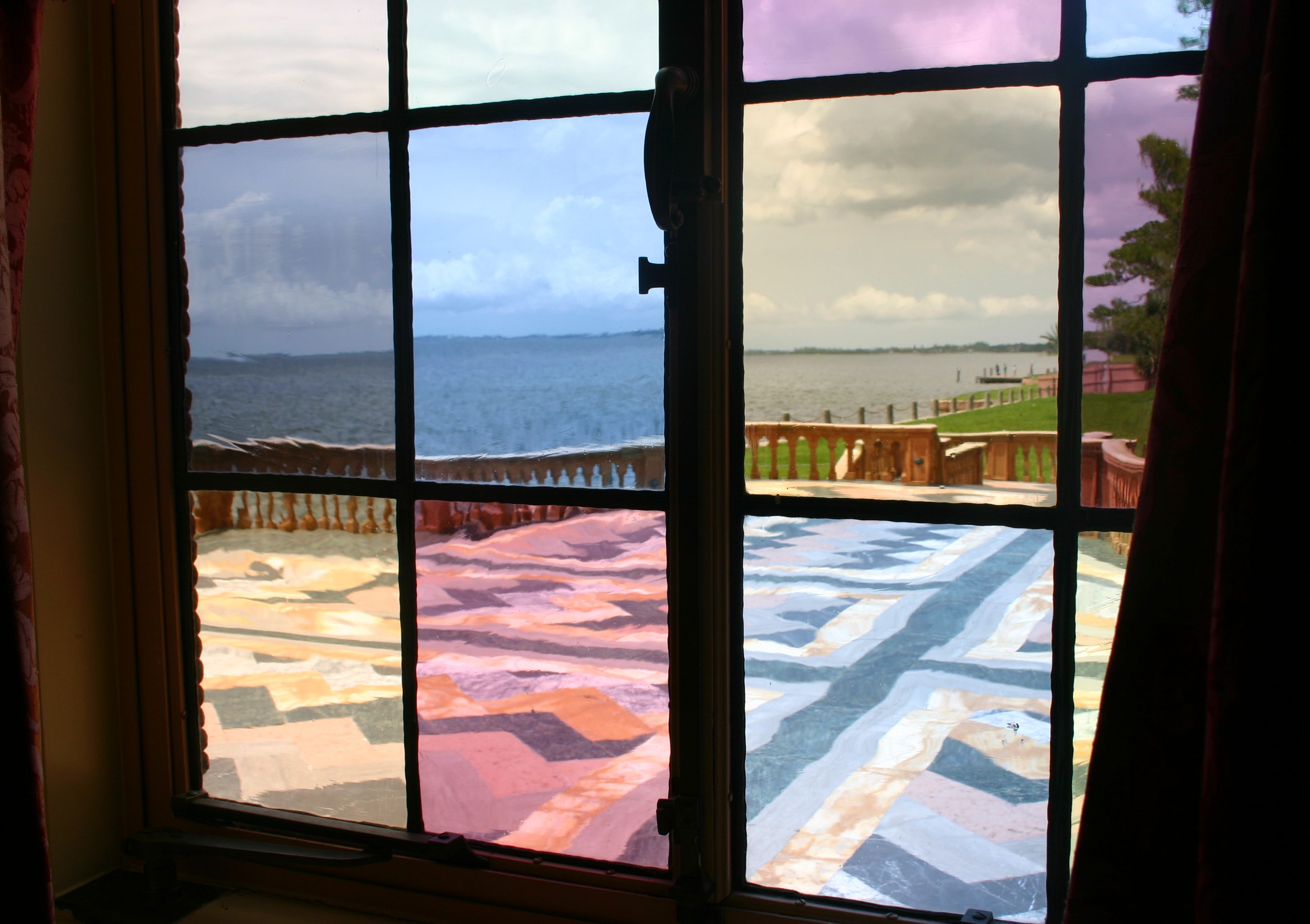
During installation, technicians ensured that the films were applied smoothly and uniformly, achieving a seamless finish. This attention to detail was crucial in delivering the desired aesthetic and functional results.
Benefits Realized
Post-installation, the benefits of window tinting were immediately apparent. The office environment became more comfortable, with a noticeable reduction in glare, making it easier for employees to focus on their tasks.
Additionally, the temperature regulation improved significantly. The heat reduction led to lower air conditioning usage, resulting in decreased energy bills. This energy efficiency not only benefited the company's finances but also aligned with their sustainability goals.

Enhancing Aesthetics and Privacy
Beyond energy savings and comfort, window tinting added a sleek, modern look to the office exterior. The enhanced appearance projected a professional image, impressing both clients and employees.
Moreover, the tinted windows provided an added layer of privacy, an essential feature for businesses concerned about confidentiality and security.
Conclusion
The transformation of Corona offices through commercial window tinting serves as a compelling example of how such solutions can deliver tangible benefits. From improved comfort and energy savings to enhanced aesthetics and privacy, window tinting has proven to be a valuable investment.
As more businesses seek sustainable and cost-effective solutions, commercial window tinting will likely continue to play a vital role in modern office design.